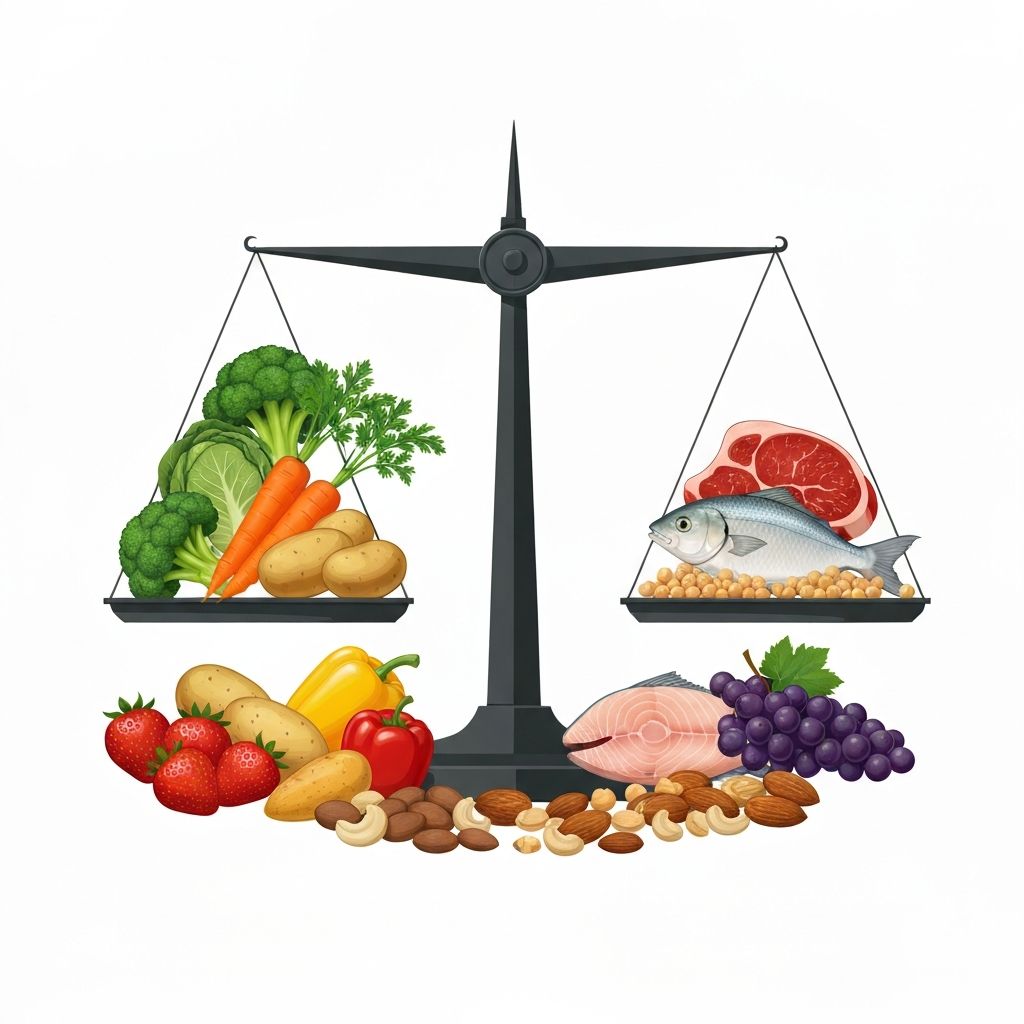
Energy Balance Science Basics
Understanding the relationship between energy intake and expenditure in human physiology.
What is Energy Balance?
Energy balance is a fundamental concept in nutrition science that describes the relationship between the calories consumed through food and the calories expended through metabolism and physical activity.
When energy intake equals energy expenditure, body weight typically remains stable. When intake exceeds expenditure, excess energy is stored. When expenditure exceeds intake, stored energy is used.
This principle underlies weight regulation in all humans, though the specific factors that influence each person's intake and expenditure vary considerably.
Components of Energy Expenditure
Basal Metabolic Rate (BMR): The energy your body uses at complete rest for essential functions like breathing, circulation, and cell production. This represents the largest component of daily energy expenditure for most people.
Thermic Effect of Food: Energy used to digest, absorb, and process nutrients from food. This accounts for approximately 10% of total daily energy expenditure.
Activity Energy Expenditure: Energy used during exercise and physical activity. This varies greatly between individuals based on activity level and intensity.
Non-Exercise Activity: Energy expended through daily movement, occupational tasks, and fidgeting. This component is more variable than BMR.
Factors Influencing Energy Balance
Multiple interconnected factors influence how an individual's body handles energy:
- Age and sex affect BMR and metabolic efficiency
- Muscle mass influences resting metabolic rate
- Genetics determine individual metabolic patterns
- Hormones regulate hunger, fullness, and energy storage
- Sleep quality affects metabolic regulation and appetite
- Stress influences eating behavior and metabolic function
- Physical activity patterns affect both expenditure and adaptation
- Environmental temperature affects metabolic demands
- Individual food preferences influence overall intake
Long-Term vs. Short-Term Energy Balance
Energy balance operates on different time scales. Over hours or days, energy intake and expenditure may be unequal. Over weeks and months, these typically trend toward equilibrium as regulatory mechanisms activate.
The body maintains weight through multiple homeostatic processes. When intake temporarily exceeds needs, the body may increase energy expenditure slightly. When intake is restricted, energy expenditure may decrease through metabolic adaptation.
This regulation is imperfect and influenced by the factors listed above, which explains why individuals respond differently to the same dietary or activity interventions.
Practical Understanding
Energy balance explains why sustainable weight changes occur when one side of the equation shifts. Increasing activity increases expenditure. Reducing food intake decreases consumption. But many other factors—from sleep to stress to individual physiology—influence how these changes manifest.
This framework helps explain why weight regulation is multifactorial and why different approaches work for different people.

Explore other articles:
Nutrients and Their Roles → Daily Factors in Weight Regulation →